What Is White Label? The Complete Guide for Beginners
What Is White Label? The Complete Guide for Beginners
Want to sell products under your own brand without building a production facility? White label is the perfect model for you. In this guide, we explain everything you need to know as a beginner — from the basic concept to practical implementation.
What Does White Label Mean?
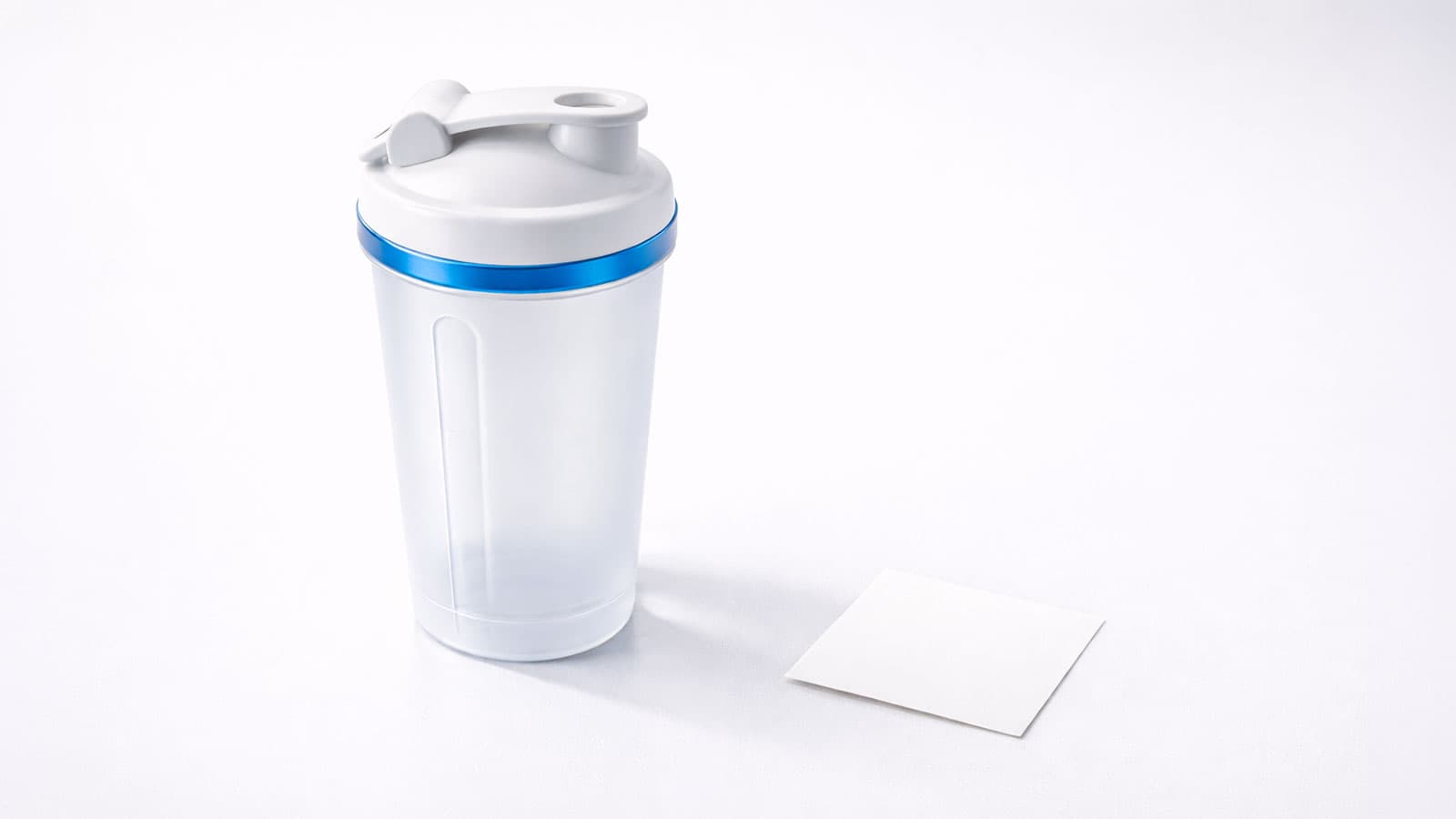
White label is a business model where a manufacturer produces goods that the buyer then sells under their own brand name. The term comes from the idea of a "white label" — the product is finished, only the branding is missing.
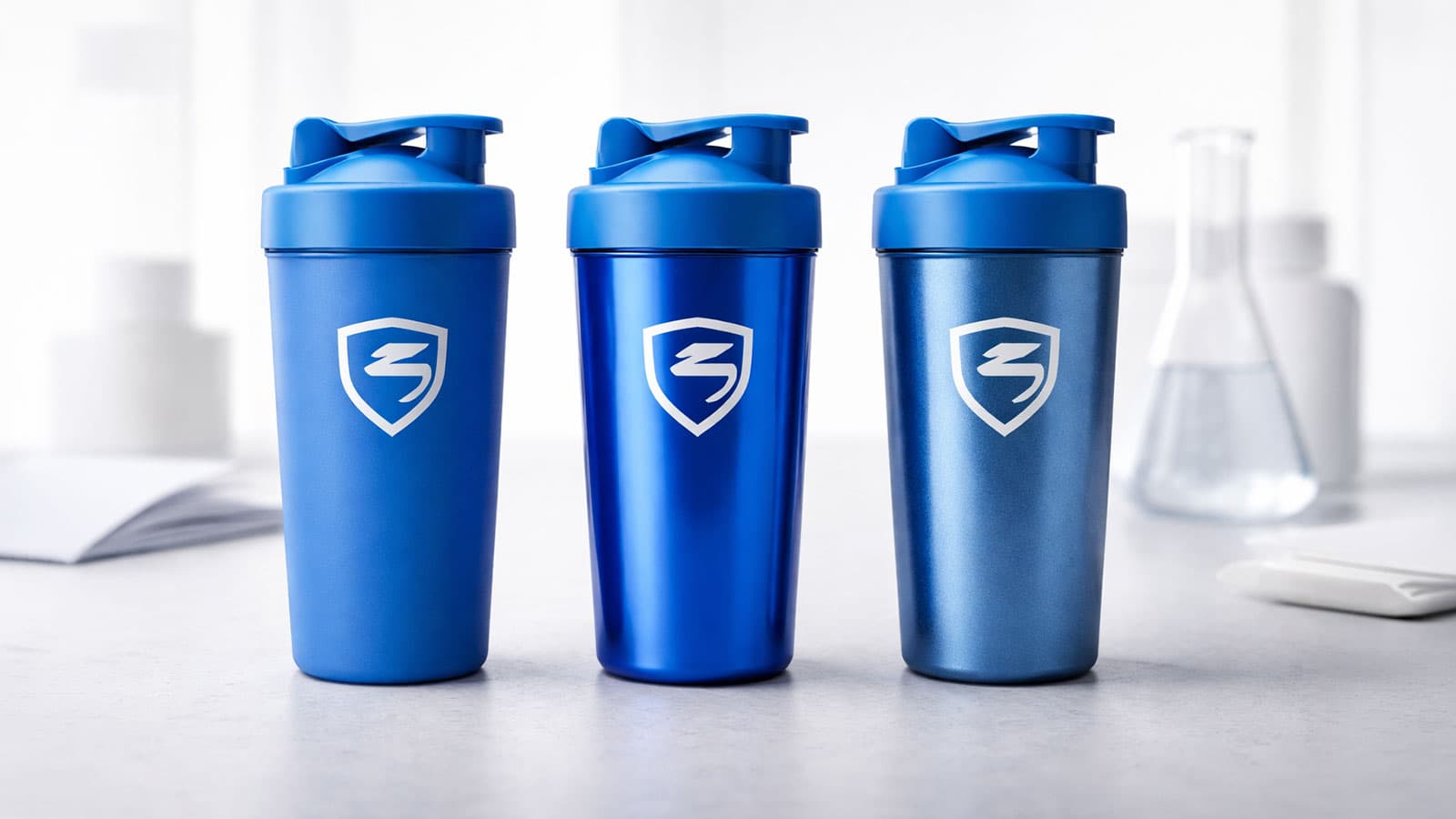
In practice: a company like VYTE LABEL Industries manufactures premium protein shakers. You receive these shakers with your own logo, colours, and design — as if they were made in your own factory.
The Three Parties Involved
Every white-label arrangement revolves around three clearly defined roles that work together to bring a branded product to market:
- The manufacturer (e.g. VYTE LABEL): Produces the goods, handles quality, materials, and manufacturing
- The buyer (you): Determines design, logo, colours, and sells under their own name
- The end customer: Buys the product and only sees your brand — not the manufacturer behind it
How Does White-Label Production Work in Practice?
The process is simpler than many think. Five steps to your own branded product:
1. Choose Your Product
Select the right base product from the manufacturer's range. At VYTE LABEL, these include shakers, water bottles, and textiles in various sizes and materials.
2. Define Your Design
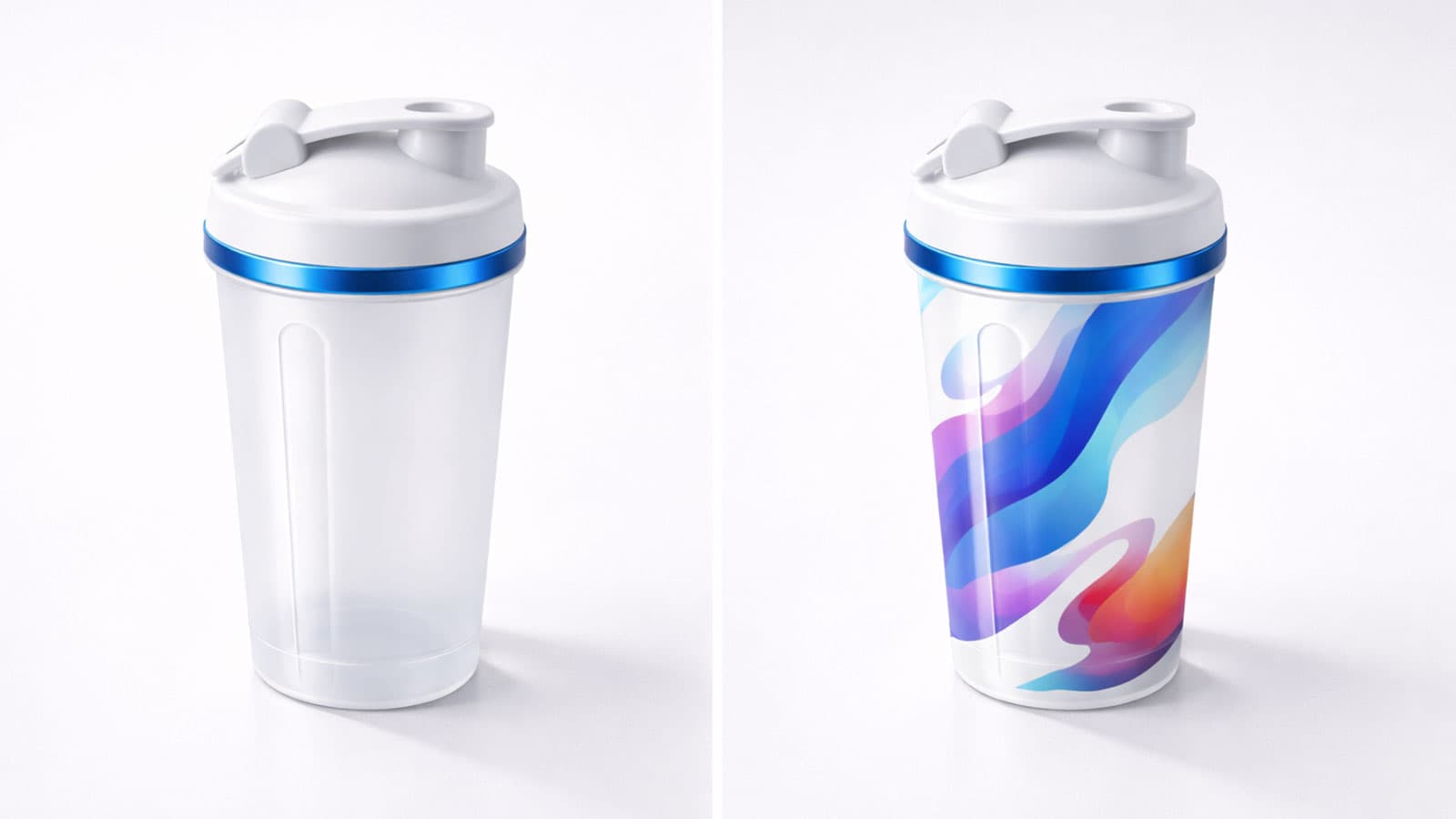
Provide your logo and colour specifications. The manufacturer determines the optimal printing method — whether screen printing, pad printing, or UV printing.
3. Approve the Sample
Before mass production begins, you receive a sample for approval. This ensures colours, print quality, and finish meet your expectations.
4. Production
After your approval and payment, the product goes into series production. With European manufacturing, this typically takes 3–5 weeks.
5. Delivery
The finished products are packaged and delivered directly to you or your customers.
Tip: Allow enough lead time for the sample approval step. Two to three days for internal sign-off will prevent delays once series production starts.
What Are the Benefits of White Label?
White label has established itself as one of the most efficient models for companies that want to offer their own products without taking on the complexity of in-house manufacturing. Instead of shouldering large upfront investments, you leverage the existing infrastructure of a specialised manufacturer and benefit from their experience.
- No production facilities needed: No machines, no factories. This saves enormous investment costs.
- Fast time to market: Instead of spending years on product development, offer your own products within weeks.
- Low risk: Test the market with manageable quantities before scaling up.
- Professional quality: Experienced manufacturers deliver consistently high quality that would be difficult to achieve on your own.
- Focus on your core business: Concentrate on marketing, sales, and customer relationships — let the partner handle production.
Good to know: Many of the best-known brands use white label — from supermarket own-brands to premium fitness labels. The model has long been established in mainstream business.
Who Is White Label Suitable For?
White label is not a niche model — it is used successfully across numerous industries. Whether you serve end consumers or operate in B2B, white label lets you expand your product range strategically without building your own production capacity.
| Industry | Use case | Benefit |
|---|---|---|
| Supplement brands | Shakers with own branding as add-ons to products | Brand loyalty and recognition |
| Fitness studios | Branded shakers as merchandise in the studio shop | Additional revenue stream and brand presence |
| CrossFit boxes | Uniform water bottles for all members | Community spirit and belonging |
| Advertising agencies | Premium promotional products for client campaigns | High-quality tactile feel instead of throwaway giveaways |
| Startups | First product line without large upfront investment | Fast market entry with low risk |
| Retailers and distributors | Own-brand products in existing range | Higher margin than third-party brands |
Tip: Clubs, event agencies, and corporate clients also regularly use white label for special promotions or employee gifts. The possibilities extend far beyond traditional retail.
White Label vs. Private Label — the Difference
These two terms are often confused, but they refer to fundamentally different approaches. While white label relies on existing standard products, private label goes a step further and involves custom product development. The right choice depends on your budget, timeline, and how much customisation you need.
| Criterion | White Label | Private Label |
|---|---|---|
| Product base | Existing standard product | Exclusively made to your specifications |
| Customisation | Logo, colours, packaging | Shape, material, features, design |
| Minimum order quantity | Low (from approx. 210 units) | Higher (often 1,000+ units) |
| Lead time | 3–5 weeks | 8–16 weeks |
| Cost | Lower, no tooling costs | Higher due to development and tooling |
| Exclusivity | Other customers may use same base product | Product belongs only to you |
In practice, the boundaries are fluid. At VYTE LABEL, we offer both: from simple logo printing on a standard shaker to completely custom product developments.
Tip: For beginners, we recommend starting with white label. It is faster, more affordable, and lower risk. You can always upgrade to private label later.
What Does White Label Cost?
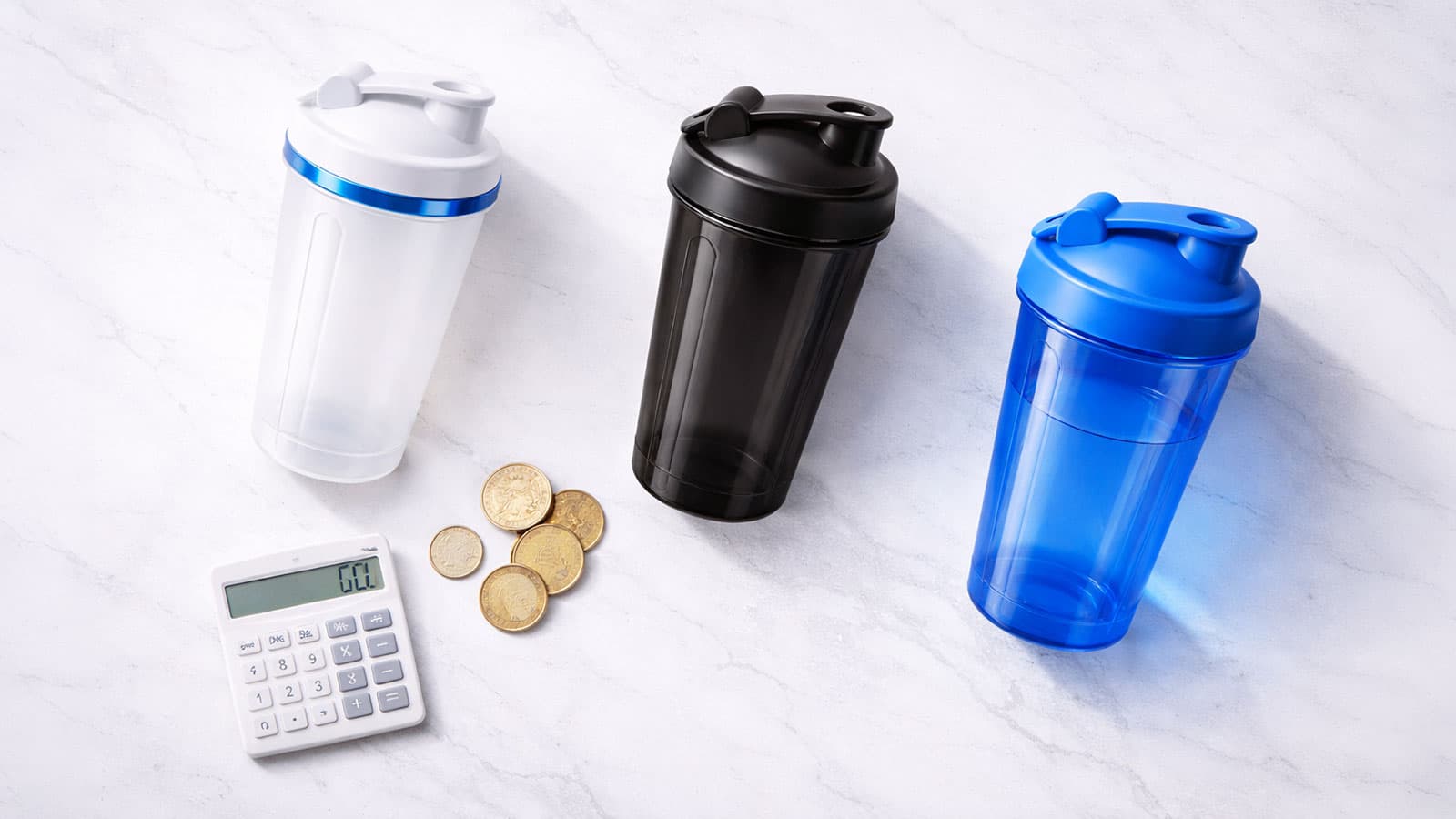
The cost of white-label products cannot be quoted as a flat figure because it depends on several factors. As a general rule, the higher the quantity, the lower the price per unit. At the same time, the choice of printing method and base product significantly affects the final price. The table below gives you a first orientation.
| Cost factor | Impact | Example |
|---|---|---|
| Quantity | Biggest lever — higher volume significantly reduces unit price | From 210 units at VYTE LABEL; doubling the order cuts unit price by approx. 15–25% |
| Printing method | Determines complexity and colour range | Single-colour screen printing from approx. EUR 0.80/unit; UV printing from approx. EUR 1.50/unit |
| Product | Material choice and product type affect base price | Standard shaker cheaper than premium Tritan bottle |
Find specific pricing in our price guide or request a custom quote.
How to Choose a White-Label Partner
Choosing the right partner determines quality, delivery reliability, and ultimately your customer satisfaction. Take enough time to compare potential manufacturers against concrete criteria — a low price alone is not a sufficient basis for your decision.
- European production: Shorter delivery routes, high quality standards, easier communication
- Certifications: BPA-free, food-safe, CE-marked
- Flexible MOQs: Enable smaller companies to get started without excessive commitments
- Sample service: A reputable partner always offers samples before bulk orders
- Digital order management: A customer portal for real-time tracking saves time and hassle
Tip: Ask for reference clients in your industry. A good manufacturer can show you example projects similar to your plans.
Conclusion: White Label Is the Smartest Path to Your Own Product Line
White label makes it possible to bring your own products to market — without investing millions in production facilities. You benefit from the expertise of experienced manufacturers and focus on what you do best: building your brand and delighting customers.
Getting started has never been easier. With minimum orders from 210 units and European production with short lead times, nothing stands in the way of your own product line.
Want your own shaker or bottle with your logo? Start an enquiry now or discover our products.